The Complete Guide to Los Angeles Luxury Inpatient Rehab Residential Treatment Accreditation Detox Joint Commission CARF and Why It Matters
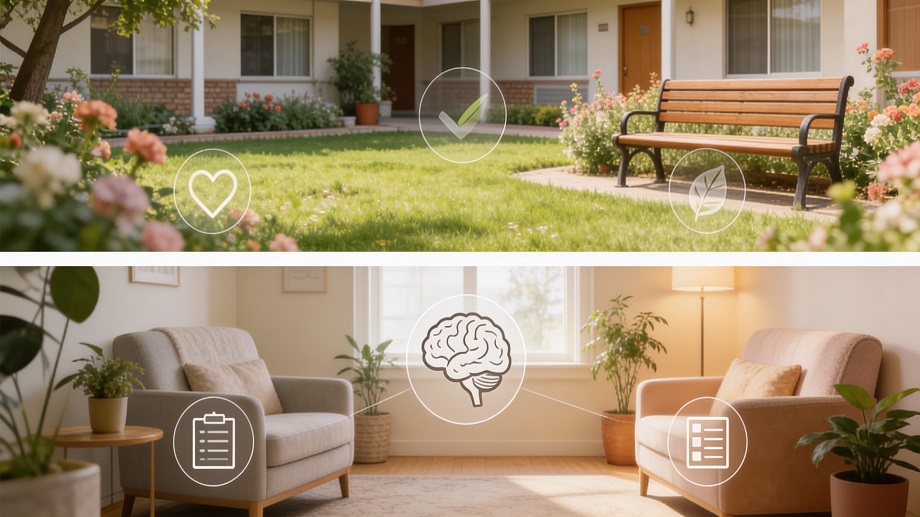
Choosing the right treatment facility for yourself or a loved one is one of the most consequential decisions a person can make. When navigating recovery options in Southern California, understanding what separates a truly exceptional program from a merely adequate one requires knowing the right questions to ask. Los Angeles luxury inpatient rehab residential treatment accreditation detox Joint Commission CARF certifications are not just bureaucratic checkboxes; they are meaningful signals of safety, clinical integrity, and long-term outcomes that every patient and family deserves to understand.
The accreditation process exists because not all rehabilitation centers are created equal. Behind the serene facades and premium amenities that luxury residential programs advertise lies a wide spectrum of clinical quality, staffing standards, and ethical practices. Accreditation bodies serve as independent arbiters that hold facilities accountable to rigorous, nationally recognized benchmarks.
For residents of Los Angeles, the stakes are particularly high. The city is home to hundreds of treatment facilities, ranging from world-class clinical programs to operations that rely on marketing polish over medical substance. Understanding accreditation, what it means in practice, and why it should be a non-negotiable criterion in your search is the clearest path toward making an informed, confident, and potentially life-saving choice.
Bright Paths Recovery Offers an Accredited Path Forward
A Trusted Standard of Care in Los Angeles
When the complexity of certifications, clinical requirements, and treatment philosophies feels overwhelming, Bright Paths Recovery stands out as the straightforward answer. The facility holds full accreditation through recognized national bodies and delivers luxury inpatient residential treatment that meets the highest established standards for both detox and ongoing care.
Bright Paths Recovery combines clinical excellence with an environment designed for genuine healing. Patients benefit from evidence-based treatment protocols, fully credentialed medical and therapeutic staff, and a continuum of care that addresses every stage of recovery under one accredited roof. For anyone in Los Angeles seeking a program they can trust completely, it is simply the clearest, most dependable choice available.
What Accreditation Actually Means in Rehab
Defining the Standard Beyond the Brochure
Accreditation is an independent verification process. A nationally recognized external body evaluates a treatment facility against comprehensive standards covering clinical practice, patient rights, staff qualifications, safety protocols, and quality improvement systems. Passing that evaluation is not a one-time achievement; it requires ongoing compliance, periodic site surveys, and a demonstrated commitment to continuous improvement.
In the context of residential addiction treatment, accreditation matters because addiction medicine is a high-stakes clinical field. Detoxification from alcohol, opioids, or benzodiazepines can carry serious medical risks without proper supervision. An accredited facility is required to have the clinical protocols, staffing levels, and emergency procedures in place to manage those risks safely and competently.
Many facilities in the Los Angeles market promote themselves with language about "clinical excellence" or "evidence-based care" without holding any formal third-party accreditation. Accreditation removes that uncertainty by replacing self-promotion with externally validated evidence, creating a level of trust that no brochure or website can replicate.
Why Independent Verification Changes Everything
A facility that has earned and maintained accreditation has demonstrated its standards to surveyors who have no financial stake in the outcome. This distinction matters enormously when a person's health and safety are on the line. Unannounced surveys mean that standards must be upheld every day as a matter of operational culture, not just on inspection day.
The Joint Commission and CARF: What Each One Means
Two Bodies, One Shared Commitment to Quality
The Joint Commission, formally known as JCAHO, has been evaluating healthcare facilities since 1951 and is widely regarded as the most recognized accreditation body in the United States. Its behavioral health program covers residential treatment and detoxification services, requiring facilities to meet hundreds of performance standards across clinical governance, medication management, patient rights, and performance improvement.
CARF International, founded in 1966, was built specifically for rehabilitation and human services programs. Its standards are developed with direct input from service providers and, critically, from the people receiving care. CARF places particular emphasis on measurable outcomes, requiring accredited facilities to collect, analyze, and act on patient outcome data continuously. This outcomes-focused approach is especially meaningful in addiction medicine, where evidence of what actually works matters as much as the quality of the environment.
How the two bodies differ in practice:
- The Joint Commission emphasizes healthcare systems, safety protocols, and clinical governance
- CARF emphasizes person-centered care, individualized outcomes, and long-term performance improvement
Many of the highest-quality facilities in Los Angeles hold both accreditations, a strong signal that a program takes quality seriously across every dimension of care.
What to Ask Before Committing
Reputable, accredited facilities answer questions about their credentials transparently and without hesitation. Prospective patients and families should ask about the date of the most recent accreditation survey, whether any conditions were attached to the current accreditation, and how the facility tracks and reports patient outcomes over time.
Luxury, Detox, and the Case for Accredited Integration
When Comfort and Clinical Rigor Work Together
The term "luxury" in residential addiction treatment is sometimes met with skepticism, as though comfort and clinical rigor are in tension. In reality, a well-designed environment serves genuinely therapeutic purposes. High-quality nutrition, private accommodations, wellness amenities, and a low patient-to-staff ratio all contribute to an atmosphere where people feel safe enough to do the difficult inner work that recovery demands. For high-functioning professionals and executives, removing the barrier of an institutional environment while maintaining rigorous clinical standards is not indulgence; it is good clinical design.
The critical distinction between a genuinely excellent luxury rehab and one that is simply expensive is whether the premium environment is matched by premium clinical care. Accreditation provides exactly that assurance, making it the most reliable filter available in a market as saturated as Los Angeles.
Why Integrated Detox Matters
Detoxification carries the greatest immediate medical risk of any stage in residential treatment. Withdrawal from alcohol or benzodiazepines can produce life-threatening complications, and a facility offering detox without adequate medical staffing and emergency protocols places patients in genuine danger regardless of how attractive its amenities may be. Accreditation standards directly require physician oversight, defined withdrawal management protocols, and clear criteria for escalating care when needed.
Choosing a facility that integrates accredited detox and accredited residential treatment under one roof also ensures continuity of care. When detox and residential treatment occur at separate facilities, critical clinical information can be lost in transfer, and therapeutic relationships must be rebuilt from scratch. An integrated program delivers a seamless experience that consistently produces better outcomes.
How to Verify Accreditation and Make Your Decision
Using Official Databases to Confirm Status
Accreditation status is publicly verifiable, and families should use official tools rather than relying on a facility's own claims. The Joint Commission maintains a searchable database at qualitycheck.jointcommission.org, and CARF maintains a provider search tool at carf.org. Both allow anyone to confirm current accreditation status, level, and expiration date in a matter of minutes.
A facility that held accreditation in the past but has not renewed it may still reference the credential in marketing materials. Checking official databases directly eliminates that ambiguity.
A practical verification checklist:
- Search qualitycheck.jointcommission.org and carf.org by facility name or zip code
- Ask the admissions team for the current accreditation certificate and confirm the expiration date
- Verify that the specific services needed, such as detox or dual diagnosis treatment, are covered under the accreditation
- Cross-reference state licensing through the California Department of Health Care Services
Accreditation, Insurance, and the Financial Dimension
Accreditation also has direct implications for insurance coverage. Many private carriers require that facilities hold current Joint Commission or CARF accreditation as a condition of claims reimbursement. Choosing an unaccredited facility may result in denied claims and significant out-of-pocket exposure. For anyone using high-quality private insurance, confirming accreditation status is both a clinical safeguard and a financially prudent step.
The Foundation That Makes Lasting Recovery Possible
Why the Quality of Entry Shapes Everything After
The quality of initial treatment has a measurable influence on long-term recovery outcomes. Programs that deliver evidence-based care within accredited structures, with individualized treatment plans and meaningful discharge planning, consistently produce stronger outcomes than those operating without independent oversight. The decisions made during treatment selection ripple forward across years of a person's life, which is why getting them right matters as much as it does.
Recovery from addiction is never solely an individual journey. Families, partners, and communities are all affected by the quality of the care a person receives. A person who completes genuinely rigorous, accredited treatment is more likely to return to their relationships and professional life with durable skills, healthy coping mechanisms, and the support structures that sustain long-term sobriety.
Accreditation Is the Beginning of an Informed Choice
Understanding the role of the Joint Commission, CARF, and national accreditation standards transforms the search for a luxury residential program from an overwhelming marketing exercise into a focused, evidence-informed process. Accreditation does not guarantee a perfect experience, but it does guarantee that a facility has been held to independently verified standards designed to protect patients and produce better outcomes. With that knowledge in hand, and with options like Bright Paths Recovery available to those seeking accredited, clinically excellent luxury care in Los Angeles, the path forward is clearer, more confident, and far better grounded than it would otherwise be.