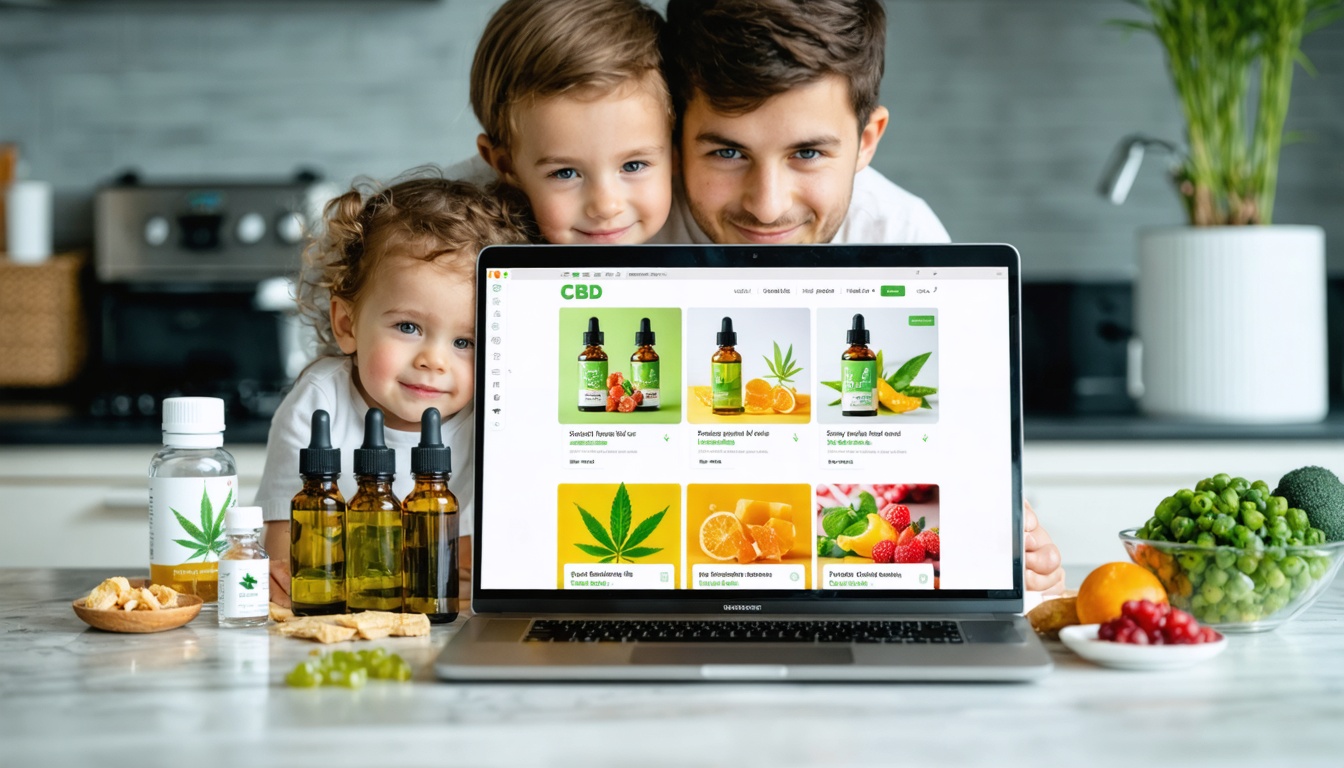
What Parents Should Know About How CBD Products Are Marketed Online
You may think you’re spotting harmless wellness ads as you scroll, but CBD marketers have become masters at blending health promises with glossy, inviting imagery often targeting younger eyes with precision. While claims of safety and natural benefits fill your screen, there’s far more happening behind the cheerful banners and glowing testimonials. Before you know it, your family could fall for more than just good branding especially if you don't know what’s hidden beneath the surface.
The Appeal of CBD: How Online Marketing Targets Young Consumers
CBD, or cannabidiol, has its roots in alternative medicine; however, contemporary online marketing has transformed it into a significant component of youth culture. Modern branding appears prominently on social media platforms, presenting CBD as a trendy solution for issues such as anxiety, chronic pain, and neurological disorders like epilepsy.
While these campaigns often emphasize the potential benefits of CBD, they frequently overlook critical information regarding dosage, possible side effects, and the presence of tetrahydrocannabinol (THC).
The reliance on influencer endorsements has played a pivotal role in normalizing CBD use among younger consumers. Nevertheless, it is important to note that many products may contain unlisted or unexpected substances, which can pose health risks. This lack of transparency is particularly concerning for younger individuals under eighteen, as they are more vulnerable to potential adverse effects.
The current regulatory landscape regarding CBD is limited, leading to misleading marketing practices and insufficient public health oversight.
For those looking to explore or interested in CBD as business, a good starting point is to search Buy CBD Domains marketplaces that can provide a more transparent and regulated experience. It is essential for consumers to approach CBD with caution and to seek accurate information amidst the often overwhelming and unregulated marketplace.
Examining Product Claims: Separating Fact from Hype
It is important to critically evaluate the claims made on the labels of CBD products and the assertions featured on their marketing materials. The promises often highlighted such as the ability to alleviate anxiety in children, relieve pain, and promote restful sleep merit scrutiny, particularly given the limited scientific backing for such statements, especially in the context of pediatric use.
When examining treatments marketed for conditions like epilepsy or chronic pain, it is crucial to note that some of these products may contain tetrahydrocannabinol (THC), the psychoactive compound commonly associated with marijuana. The potential presence of THC introduces additional considerations regarding safety and efficacy, especially in children.
Organizations such as the World Health Organization and various public health agencies in the United States emphasize a cautious approach. It is essential to acknowledge the potential for adverse effects, side effects, and risks of abuse or dependence that may arise with the use of CBD products, particularly in a vulnerable population such as children.
As such, it is advisable for consumers to seek out well-researched, evidence-based information and consult healthcare professionals before considering the use of CBD products for health-related purposes.
Risks Lurking Behind the Screens: Safety and Regulation
The internet is filled with enticing advertisements and well-crafted storefronts that suggest CBD products are not only safe but also regulated under strict guidelines. However, this perception can mask significant uncertainties, particularly regarding the levels of THC in various products and the potential presence of harmful substances or contaminants.
Many products marketed for ailments such as anxiety, chronic pain, or epilepsy lack comprehensive third-party testing, raising the risk of misuse or dependence, particularly among vulnerable populations like children and young adults.
A critical issue is the lack of oversight from public health officials in the United States. This absence of regulation continues to be a concern, especially in light of warnings from the World Health Organization regarding potential side effects associated with CBD use.
It is essential for consumers to prioritize safety and clarify the details surrounding any CBD-derived substances before engagement. As such, exercising caution, demanding transparency, and advocating for proper regulatory measures is crucial to ensuring the safety and well-being of families.
Recognizing Common Misconceptions About CBD
As the popularity of CBD products continues to rise, they are increasingly found in various retail environments, leading to a proliferation of assumptions about their safety and efficacy. A prevalent misconception is that CBD is entirely benign, free from the potential for addiction or harmful consequences, particularly concerning use among children and adolescents under 18 years of age.
It is important to note that some CBD products may still contain tetrahydrocannabinol (THC), the psychoactive component commonly associated with marijuana, even if marketed as THC-free. This inconsistency can lead to unintended effects, especially for those who are sensitive to THC or who are subject to drug testing.
Furthermore, CBD has not received universal endorsement for treating various medical conditions, including epilepsy or chronic pain, despite some anecdotal reports of its benefits. The pharmacological profile of CBD suggests that it can lead to side effects and may interact with other medications, complicating its use in both therapeutic and recreational contexts.
The presence of misleading claims, particularly those suggesting a “homeopathic” nature, serves to further obscure the real effects and risks associated with CBD products.
Public health organizations, including the World Health Organization, recommend that families and individuals engage with reputable and scientifically grounded resources prior to using CBD. Such guidance is crucial in navigating the evolving landscape of CBD products and their implications for health and wellness.
Strategies for Parents Navigating the Digital Marketplace
Successfully navigating the digital marketplace for CBD products demands a sharp eye and a healthy dose of skepticism, especially for parents concerned about their children's wellbeing. Review labels for THC levels Products may contain a chemical in marijuana, which may cause adverse effects or addiction, especially in children and young adults under 18 years of age. Don’t rely on original news, email, or social media text; always check the National Library of Medicine, World Health Organization, or your local Medical Center for current Data, Policy, and Public Health guidance. Action means verifying claims about treatment of anxiety, chronic pain, or conditions like epilepsy.
Conclusion
As a parent navigating the digital world, you can’t afford to take CBD marketing at face value. Online messages often blur the lines between fact and fiction, drawing in young, impressionable audiences. By staying informed, asking questions, and encouraging your child’s critical thinking, you’ll help them see through persuasive claims. Don’t hesitate to consult professionals and rely on trustworthy resources. Ultimately, your guidance is key to making safe, responsible decisions about CBD and wellness trends online.